Sensory Play Ideas for 2 Year Olds: The Ultimate Early Learning Guide
Sensory Play Ideas for 2 Year Olds: The Ultimate Early Learning Guide
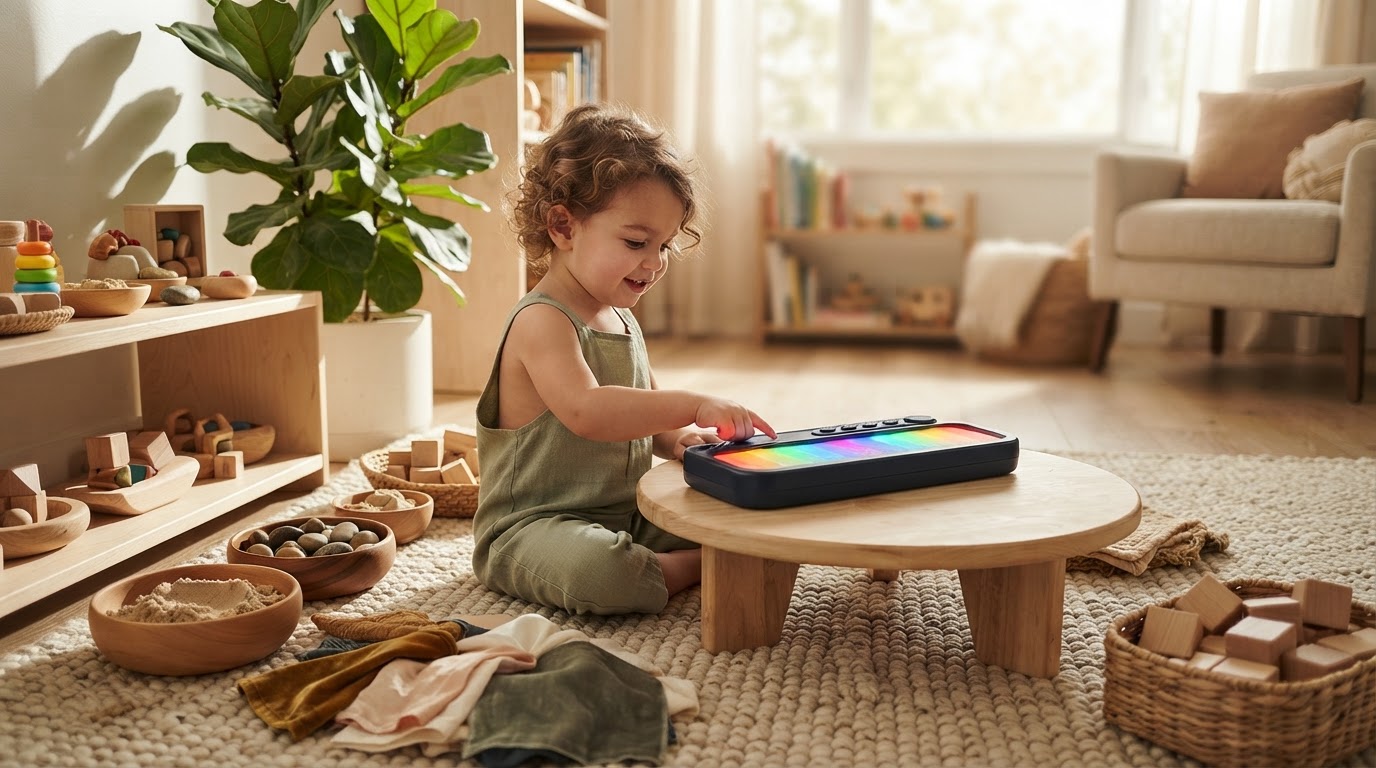
Sensory play is a foundational pillar of early childhood development. During the toddler years, especially around age two, children learn primarily by exploring the world through sight, sound, touch, movement, and interaction. Implementing structured yet flexible sensory play ideas for 2 year olds fosters neural connections, improves motor coordination, and encourages self-regulation.
Understanding Sensory Play for Two-Year-Olds
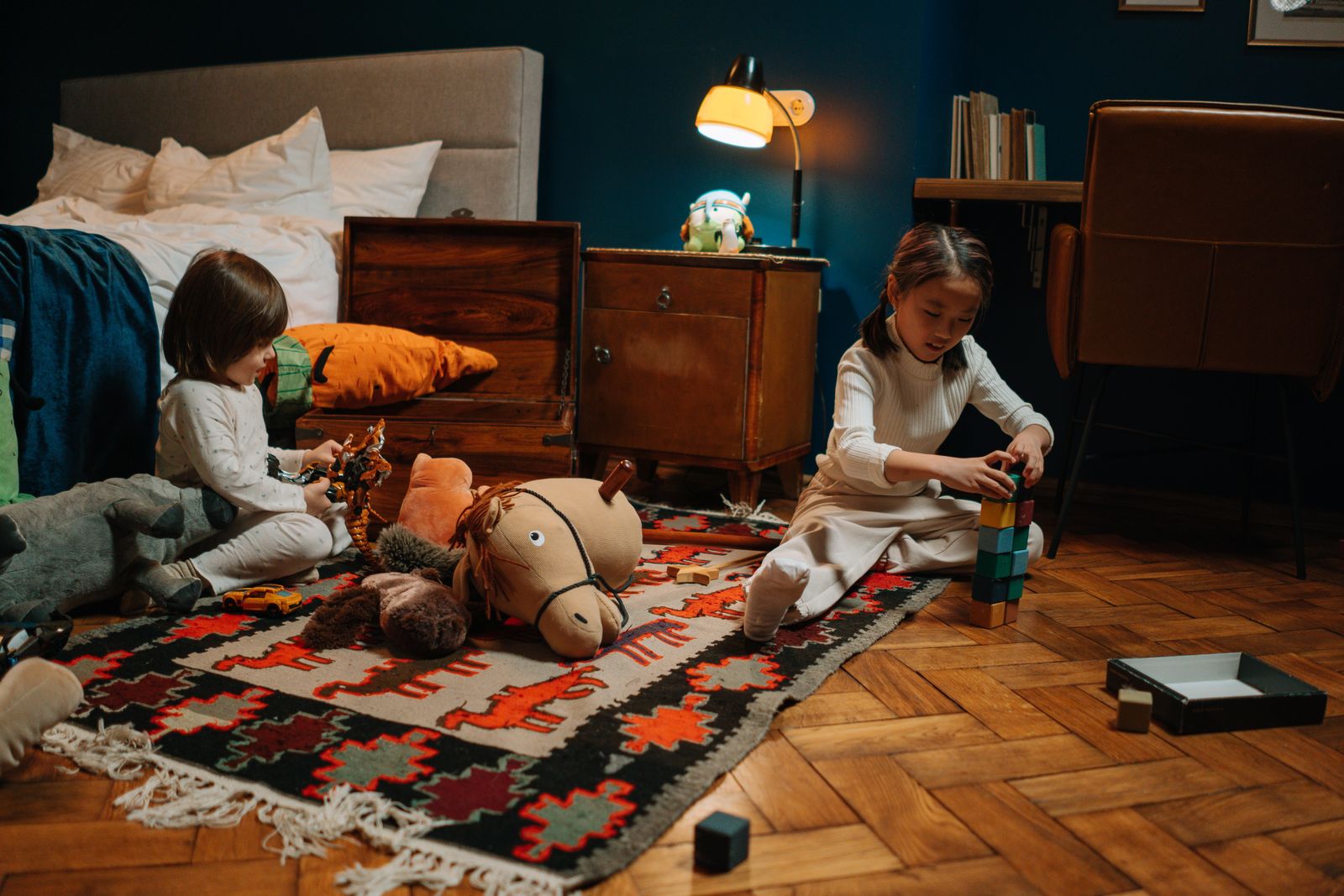
Photo by cottonbro studio on Pexels
At two years old, a child's brain is rapidly developing, forming millions of neural connections every day. Sensory play engages one or more of the child's senses—visual, auditory, tactile, olfactory, taste, vestibular, and proprioceptive. When toddlers interact with vibrant colours, different textures, and expressive sounds, they build key cognitive pathways.
Play does not need to be messy to be effective. While traditional water tables or finger painting offer excellent tactile input, structured interactive toys offer controlled sensory experiences that target fine motor skills, auditory processing, and visual tracking without requiring extensive cleanup.
Cognitive and Motor Benefits of Multisensory Engagement
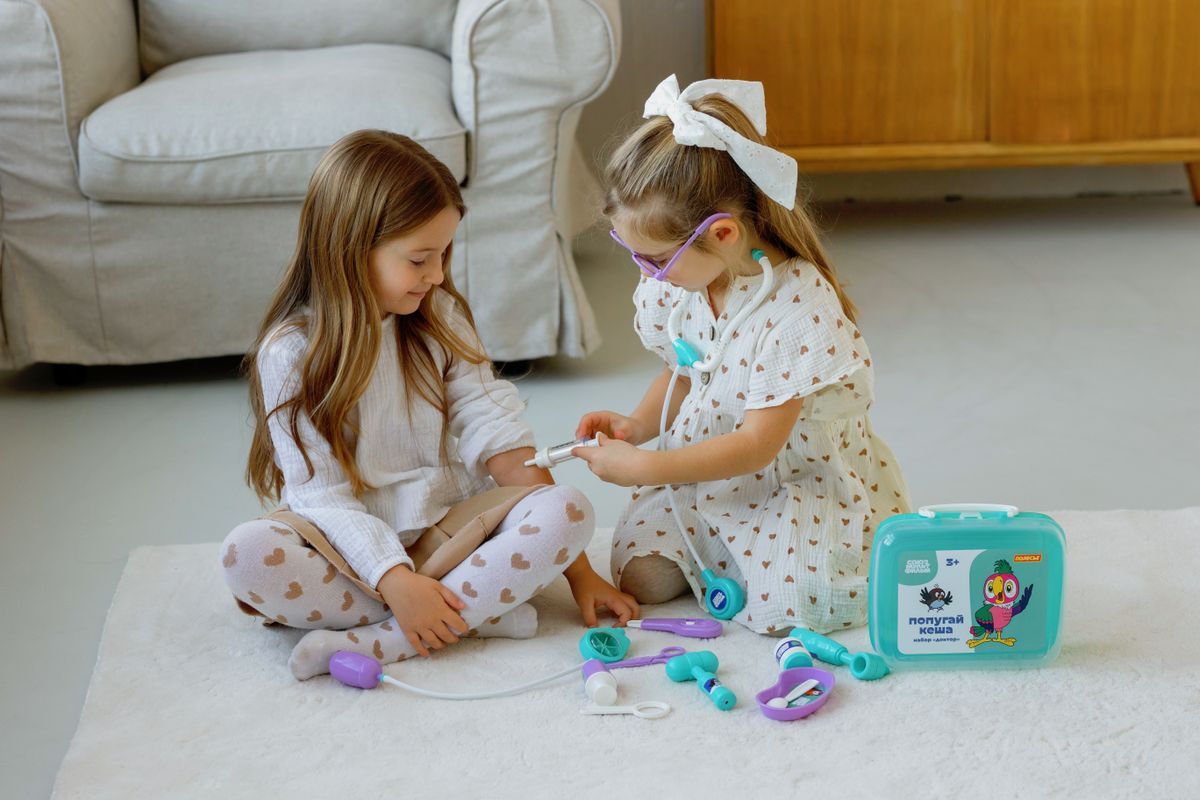
Photo by Polesie Toys on Pexels
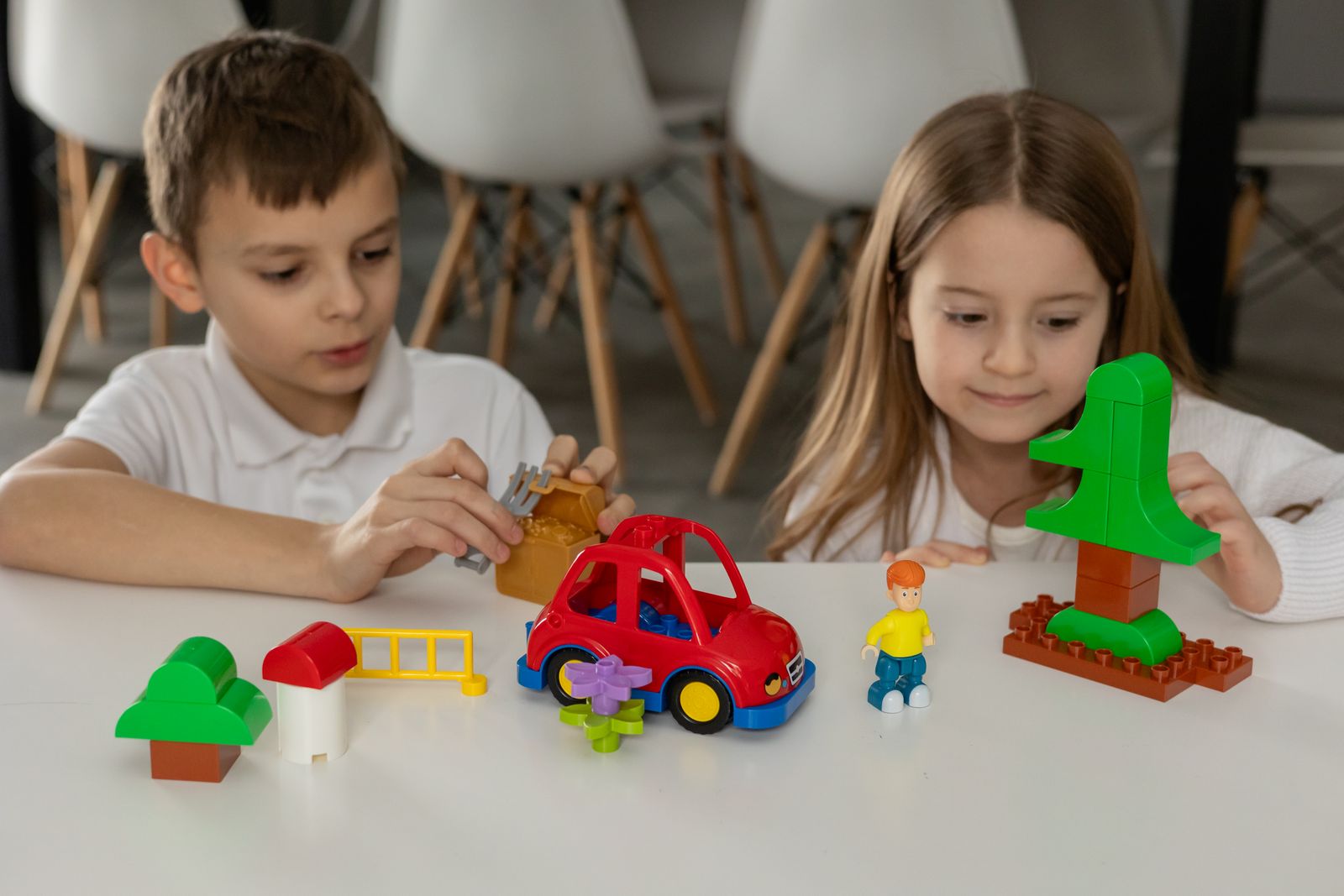
Photo by Polesie Toys on Pexels
When toddlers participate in multisensory activities, they practice dynamic skill-building:
- Fine Motor Precision: Pressing small buttons, turning pages, or hitting specific keys improves hand-eye coordination.
- Auditory Discrimination: Exposure to varied frequencies and musical rhythms enhances phonetic sensitivity, setting the foundation for language acquisition.
- Visual Tracking: Observing dynamic lighting shifts helps refine spatial awareness and visual focus.
- Cause-and-Effect Understanding: Learning that pressing a key activates a sound or light mode introduces early logic concepts.
Essential Sensory Play Ideas for Toddler Development
1. Tactile Exploration Bins
Fill a shallow tray with safe household materials such as large pasta shapes, soft felt fabrics, or wooden blocks. Allow your toddler to manipulate these items to explore contrasting textures and structural densities.2. Auditory and Rhythm Exploration
Introduce simple musical instruments that respond instantly to touch. Tools featuring 13 Piano Keys allow children to experiment with pitch and tone sequencing. Musical interaction builds spatial-temporal reasoning, which is essential for future mathematical concepts.3. Visual and Light Stimulation
Incorporate items with dynamic color outputs. Toys featuring Rainbow Light Effects provide gentle visual feedback that captivates a toddler's attention, helping them practice visual processing in low-light or quiet settings.Integrating Auditory and Visual Tools into Playtime
Photo by Polesie Toys on Pexels
Combining auditory feedback with visual rewards creates a rich learning environment. For example, using a device that pairs 5 Sound Effects with 3 Light Modes gives immediate sensory feedback. This setup reinforces cause-and-effect patterns while maintaining engagement.
Structured melody recognition is another effective tool. Introducing 12 Lullabies or 7 Teaching Songs helps toddlers recognize tempo changes, practice simple vocalizations, and transition between active play and relaxation periods.
To ensure safety during interactive sessions, verify that products are crafted from child-safe materials such as ABS Plastic and meet strict safety ratings like safety certification code not specified.
On-the-Go Sensory Strategies for Busy Parents
Sensory engagement shouldn't stop when you leave home. Travel routines can often overstimulate or bore young children, making portable solutions invaluable. Selecting a compact item with a Portable Pocket Design allows parents to offer familiar sensory routines in vehicles, waiting rooms, or restaurants.
When evaluating portable musical options, consider options like the Rainbow Mini Piano. Designed as an expressive Unisex Learning Toy, it provides accessible musical and visual stimulation across various environments. Powered by AAA Batteries, these compact instruments deliver reliable play without requiring bulky access points.
By systematically incorporating visual, auditory, and tactile play into your toddler's daily routine, you support essential cognitive milestones while keeping daily play fresh, manageable, and engaging.
Related in this cluster
- 5 Engaging Visual and Auditory Sensory Activities for Toddlers
- Portable Sensory Toys vs. Bulky Play Sets: Travel Comparison
- Why Rainbow Mini Piano Is the Best Sensory Gift for 2 Year Olds
- Frequently Asked Questions About Toddler Sensory Play
- How to Create a Travel-Friendly Sensory Play Routine
- How Light and Sound Modes Boost Early Childhood Development