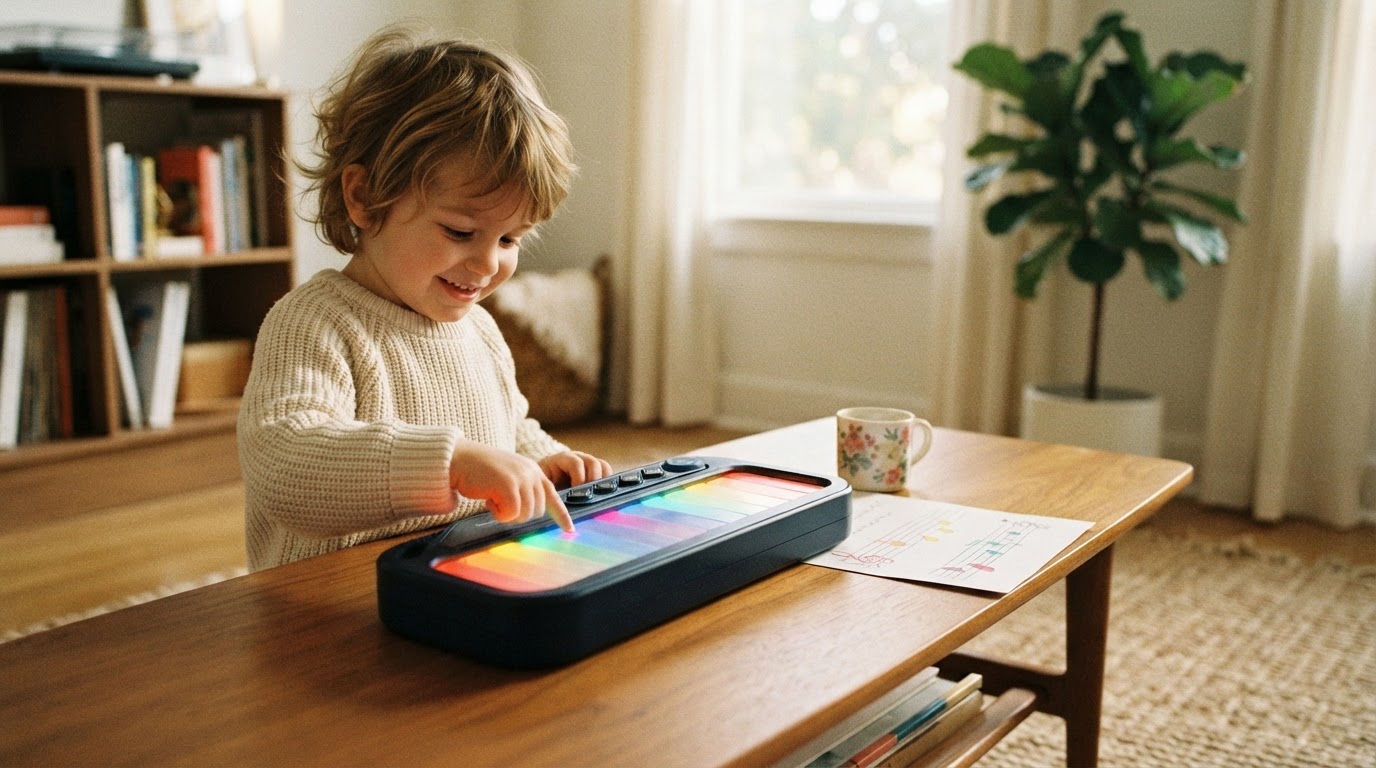
Mastering the Rainbow Mini Piano Color Coded System
 Sam VasquezBuying Guide Lead
September 1, 2026. This guide explains how to effectively use a color-coded interface to bridge the gap between abstract music theory and physical performance. It is designed for adult beginners and parents helping children navigate their first musical instrument.
The Cognitive Barrier in Early Music Education
Learning to play a musical instrument often feels like learning two languages at once: the physical mechanics of the keys and the visual translation of sheet music. For most beginners, the primary obstacle isn't finger dexterity; it is the mental lag time spent identifying which note on the page corresponds to which key on the board. According to Prodigies, half the battle of initially playing the piano is simply figuring out which note is which, and colors make that relationship immediately obvious. When a student sees a red note on a page and a red key on the instrument, the cognitive load is reduced, allowing the brain to focus on rhythm and hand positioning rather than decoding symbols. This is why a [color coded music learning tool](/blog/color-coded-music-learning-tool) is so effective; it removes the frustration that causes many people to quit within the first month. Without this visual aid, students often get bogged down in the black-and-white uniformity of a standard keyboard, where every octave looks identical to the untrained eye. By assigning distinct hues to specific pitches, we create a map that remains consistent regardless of the song being played. This approach is particularly useful when using a [mini piano for beginners](/blog/mini-piano-for-beginners), as the smaller scale allows for a more concentrated focus on these color-to-pitch relationships. Skip this if you already have a background in music theory or can read standard notation fluently, as the color system is specifically built to bypass those initial hurdles for newcomers.
Implementing the Rainbow Mini Piano Framework
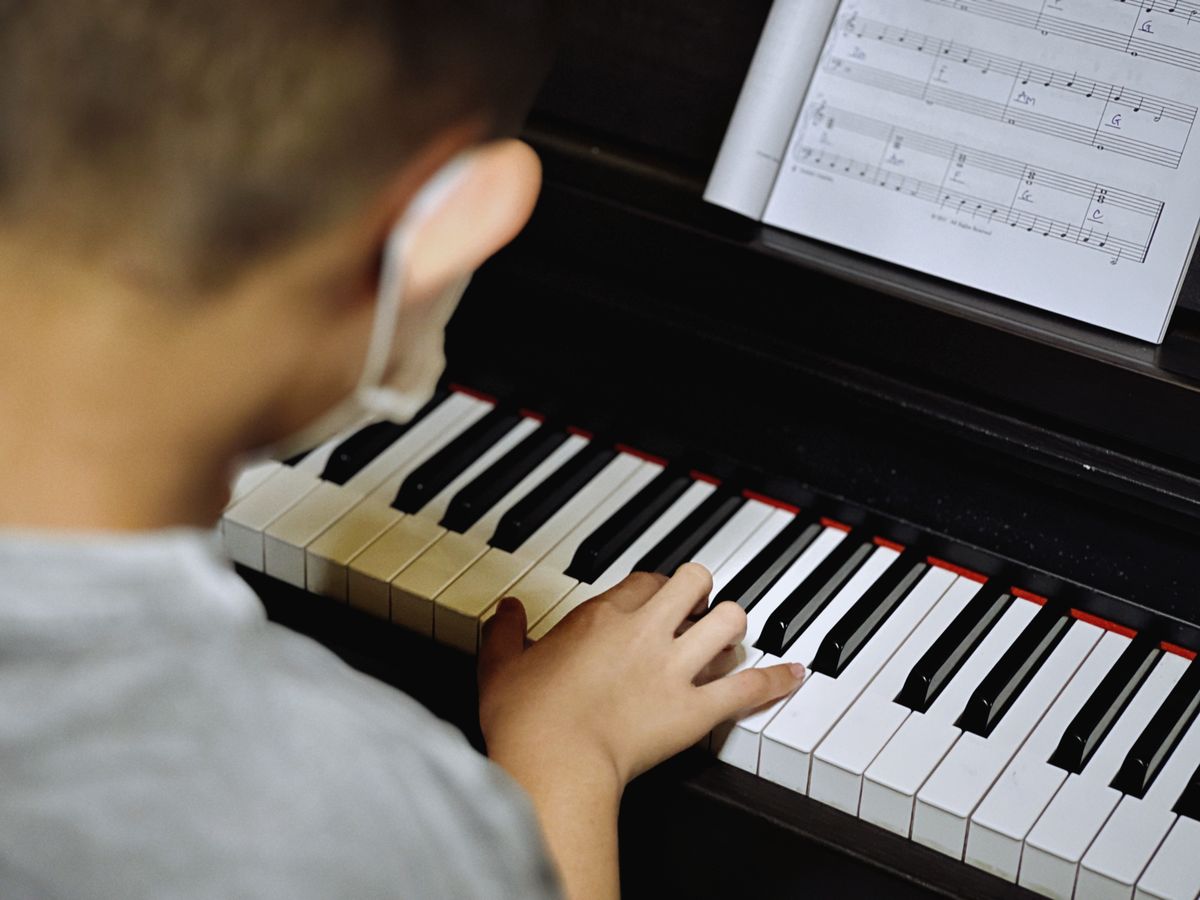
Photo by Thông Nguyễn on Pexels
The Rainbow Mini Piano utilizes a 25-key layout that maps specific colors to the natural notes, providing a tactile and visual feedback loop. When you first sit down with the instrument, the goal isn't to memorize the entire keyboard, but to recognize the patterns of the white keys (natural notes) and black keys (sharps and flats). As noted in Piano Lessons for Beginners with Color-Coded Notes on Facebook, understanding the instrument starts with this basic distinction. The Rainbow Mini Piano simplifies this further by including a color-coded songbook that matches the keys exactly. If you're on a budget, you might be tempted to just put stickers on a standard keyboard, but the integrated design of a dedicated color coded piano for kids or beginners ensures the colors don't peel off or distract from the key action. To get started, I recommend spending the first few sessions simply matching the colors in the songbook to the keys without worrying about timing. Once the physical location of the notes becomes second nature, you can begin following color coded sheet music that introduces basic rhythmic patterns. Between these two approaches—stickers versus an integrated system—I'd go with the integrated Rainbow Mini Piano because the color consistency is vital for long-term muscle memory. The instrument acts as a physical bridge, allowing you to eventually transition to standard notation once the "where" of the notes is no longer a question. This method has been proven effective in various digital formats as well, such as the Perfect - Super Easy Piano Tutorial with Color-Coded Notes on YouTube, which uses similar visual cues to teach complex ballads to novices.
A Framework for Selecting Your First Learning Tool

Photo by Polesie Toys on Pexels
Choosing how to begin your musical journey involves more than just buying a keyboard; it requires a system that matches your current cognitive bandwidth. If you are shopping for a young child, a color coded piano for kids provides the lowest barrier to entry and the highest immediate gratification. For adults, a mini piano for beginners offers a portable way to practice these color-association techniques without the intimidation of a full 88-key grand piano. Here's what I'd actually buy: the Rainbow Mini Piano with the 25-key range, as it covers enough octaves to play most folk songs and pop melodies while remaining compact enough for a desk. When evaluating your options, use this checklist to ensure the tool supports your goals:
- Does the instrument include a matching songbook that uses the exact same color hex codes as the keys?
- Is the keyboard size appropriate for the user's hand span to prevent strain during long sessions?
- Are the colors baked into the hardware or applied as temporary markers that might shift?
- Does the system allow for a clear path to transition toward standard black-and-white sheet music?
- Is the audio output clear enough to help the user develop their ear for pitch alongside visual cues?