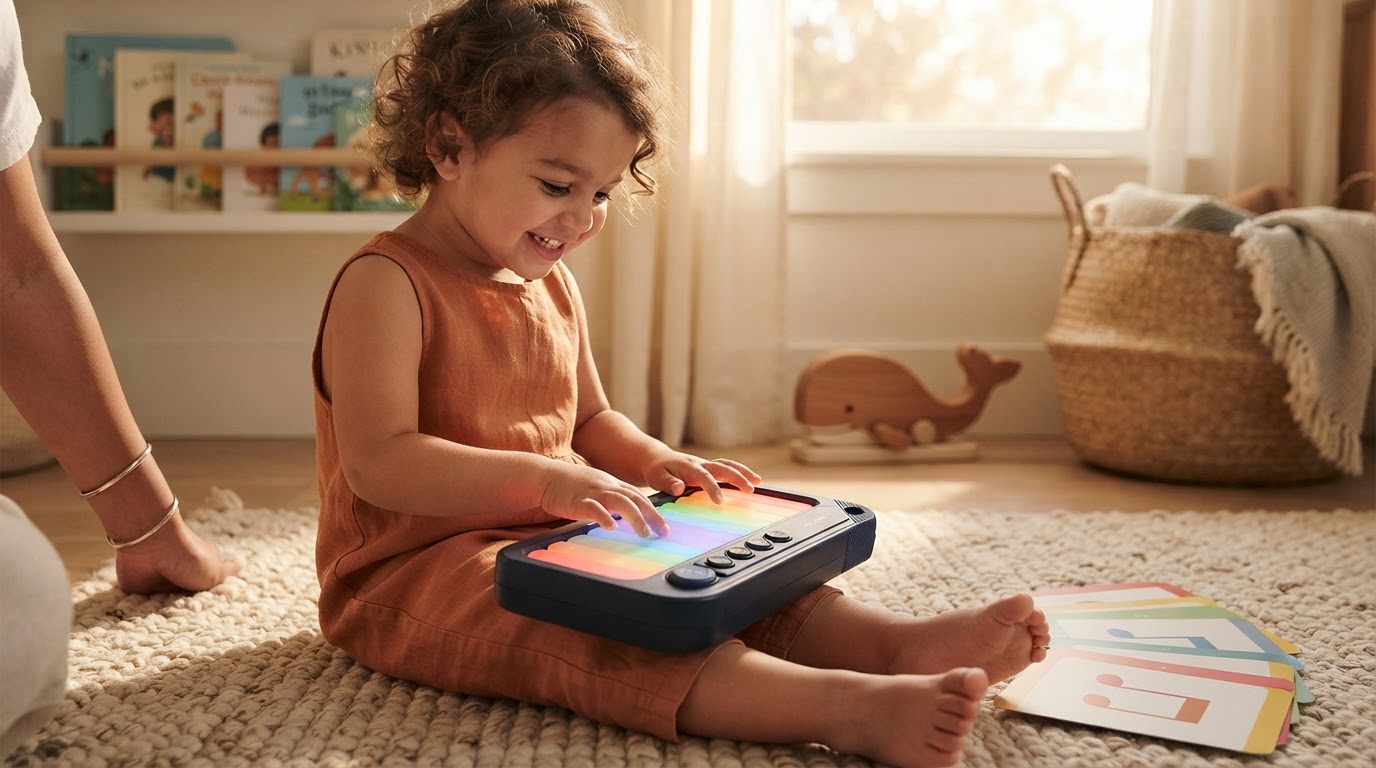
Setting Up the Rainbow Mini Piano Color System
 Jordan HaleStaff Writer
October 11, 2026 — The shift toward visual-spatial learning in early music has gained significant momentum with the rise of the Rainbow Mini Piano, a tool designed to simplify complex theory through a spectrum of color. This approach helps bridge the gap between abstract notes and physical keys, especially for learners who haven't yet mastered traditional notation.
The first thing I noticed was the weight—or rather, the lack of it. Holding the Rainbow Mini Piano feels more like carrying a small notebook than a musical instrument, yet the tactile response of the keys suggests a much more substantial build. According to Dynamic Music Teaching, using a color-coded keyboard picture alongside printable music sheets allows students to mark their keys and immediately begin playing recognizable melodies without the frustration of reading black-and-white staves. This sensory-first approach is exactly what makes the instrument so effective in modern households where space and time are often at a premium.
The 5-Step Setup Framework
When I first unboxed the unit, the immediate goal was to see how quickly a child could transition from silence to a song. The setup begins with finding a flat surface; the silicone backing of the Rainbow Mini Piano ensures it stays anchored even on slick dining tables. Once unrolled, the 49-key layout provides a full four-octave range, which is ample for beginner to intermediate practice. The second step involves identifying the color sequence. Unlike standard keyboards, this model assigns a specific, vibrant hue to each natural note—C is typically red, D is orange, and so on. This creates a visual map that the brain processes faster than letter names. The third step is the power connection, which uses a standard USB interface, making it compatible with portable power banks for use in parks or cars. The fourth step is volume calibration; the built-in speakers are crisp, but the headphone jack is the real hero for quiet practice sessions. Finally, the fifth step is the integration of visual aids. By placing the included color-coded songbook on a stand, the player can match the colored circles on the page to the colored keys on the board. This specific model features 49 color-coded keys, offering a real keyboard experience that won't occupy extra space, making it a highly portable rainbow piano for kids. The silicone keys provide a unique tactile resistance that helps developing fingers build the necessary strength for traditional weighted keys later on. It turns out that the small color coded piano is not just a toy, but a calculated entry point into rainbow mini piano early childhood musical education that respects the learner's developmental stage.
Expert tip: To maximize the lifespan of the internal sensors, always roll the keyboard with the keys facing outward to prevent compression of the contact points during storage.
I keep coming back to how the rainbow mini piano removes the barrier of entry for families who might be intimidated by the cost or size of a traditional upright. The simplicity of matching a blue circle on a page to a blue key on the board provides an immediate win for the student, fostering a sense of competence that is essential for long-term musical engagement.
Sources
- Rainbow Piano with 49 Color Coded Keys
- Color Coded Piano Music - Etsy
- 22 FREE Colored Sheet Music ideas - Pinterest