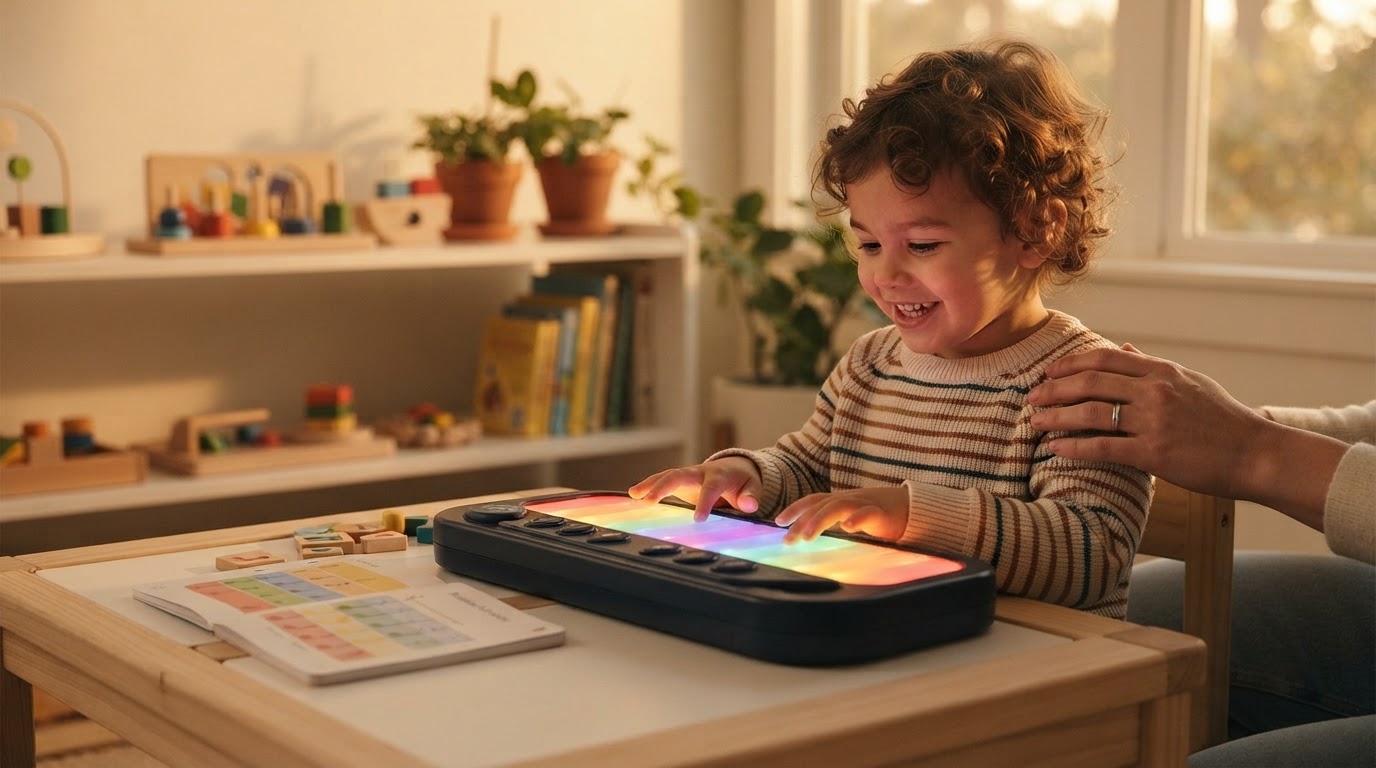
Teaching Music with the Rainbow Mini Piano System
 Priya RamanSenior Analyst
August 14, 2026. This analysis explores the efficacy of color-based musical instruction for early learners using the Rainbow Mini Piano framework. It is designed for parents and educators seeking a structured method to introduce music theory without the initial friction of traditional notation. To understand the value of this system, think of it as a matrix of accessibility and retention. Two axes matter here: the physical portability of the instrument and the cognitive load required to translate visual cues into sound. Once you see it this way, the transition from play to formal education becomes a predictable progression rather than a hurdle.
The Cognitive Barrier in Early Music Education
Traditional music education often fails at the point of entry because it requires the simultaneous mastery of two distinct skills: decoding abstract symbols on a staff and executing fine motor movements on a keyboard. For a young child, this creates a high cognitive load that can lead to frustration. According to Scribd document "Color Coded Piano Fun for Kids," using color-organized notes allows beginners to bypass the complexities of traditional sheet music, focusing instead on the relationship between visual patterns and auditory output. This method aligns with natural developmental stages where color recognition precedes the ability to read complex symbols. When a child sees a red note on a page and matches it to a red key on a small color coded piano, the feedback loop is instantaneous.
This immediate reinforcement is critical for maintaining engagement. Without it, the physical limitations of a colorful portable keyboard for kids may be wasted on an uninspired learner. The problem is not the lack of talent, but the mismatch between the instructional medium and the child's cognitive maturity. By utilizing a system that simplifies the interface, educators can foster a sense of competence. This is particularly important when using a portable rainbow piano synth where the variety of sounds might otherwise distract from the fundamental task of learning melody. The goal is to reduce the "time-to-song," ensuring the student experiences the reward of making music within their first session. This foundational success builds the confidence necessary to eventually tackle black-and-white notation and more complex rhythmic structures found in professional-grade equipment.
Solving for Portability and Visual Association

Photo by Ketut Subiyanto on Pexels
The Rainbow Mini Piano addresses these educational challenges by integrating the color-coding directly into the hardware. Unlike standard keyboards where the keys are indistinguishable from one another, this instrument provides a persistent visual map. This mapping is not merely aesthetic; it is a functional tool that mirrors the logic found in resources like the FREE Colored Sheet Music on Pinterest. By aligning the physical keys with established color-coding standards, the Rainbow Mini Piano ensures that the skills learned on the device are transferable to other educational materials. This creates a cohesive ecosystem where the instrument serves as the anchor for a broader curriculum.
Furthermore, the design of the Rainbow Mini Piano emphasizes a tactile response that is often missing from digital-only learning apps. While a portable rainbow piano synth offers digital versatility, the physical act of pressing a color-coded key provides sensory feedback that aids in muscle memory. This is a critical component of the "Rainbow Method," where the child learns to associate a specific color not just with a visual cue, but with a specific finger movement and location in space. Because the device is compact, it facilitates consistent practice outside of a dedicated classroom or music room. This portability ensures that the colorful portable keyboard for kids remains a constant presence in the child's environment, reinforcing the color-to-note association through frequent, low-pressure interaction. The integration of color and form factor allows for a seamless transition between structured lessons and self-directed exploration, which is the hallmark of effective early childhood development.
Framework for Selecting a Color-Coded Instrument
Photo by Polesie Toys on Pexels
When evaluating a small color coded piano for a learning environment, the decision rule should be based on the consistency of the color system and the durability of the build. Not all color-coded instruments are created equal; some use stickers that can peel, while others, like the Rainbow Mini Piano, integrate the color into the key itself for long-term use. This distinction is vital for maintaining the integrity of the learning process over several years. A high-quality instrument should serve as a bridge, not a temporary toy. Consider the following criteria when selecting your device:
- Visual Consistency: Ensure the colors used on the keys match the standard color-coded sheet music available in the industry to prevent confusion.
- Tactile Feedback: The keys should have enough resistance to help develop finger strength and proper technique, rather than being overly soft or unresponsive.
- Portability vs. Stability: The device must be light enough for a child to move, yet stable enough to remain in place during vigorous play sessions.
- Expansion Path: Look for systems that allow for a transition to more advanced play, such as those that can eventually be used with standard notation once the color-coded foundation is solid.
- Audio Quality: Even a beginner instrument should produce clear, accurate tones to help train the child's ear to recognize correct pitches.
To begin your child's musical journey with a system designed for success, explore our current collection of educational instruments. Shop Rainbow Mini Piano here.