Choosing a Portable Color Coded Piano for Modern Learners
 Priya RamanSenior Analyst
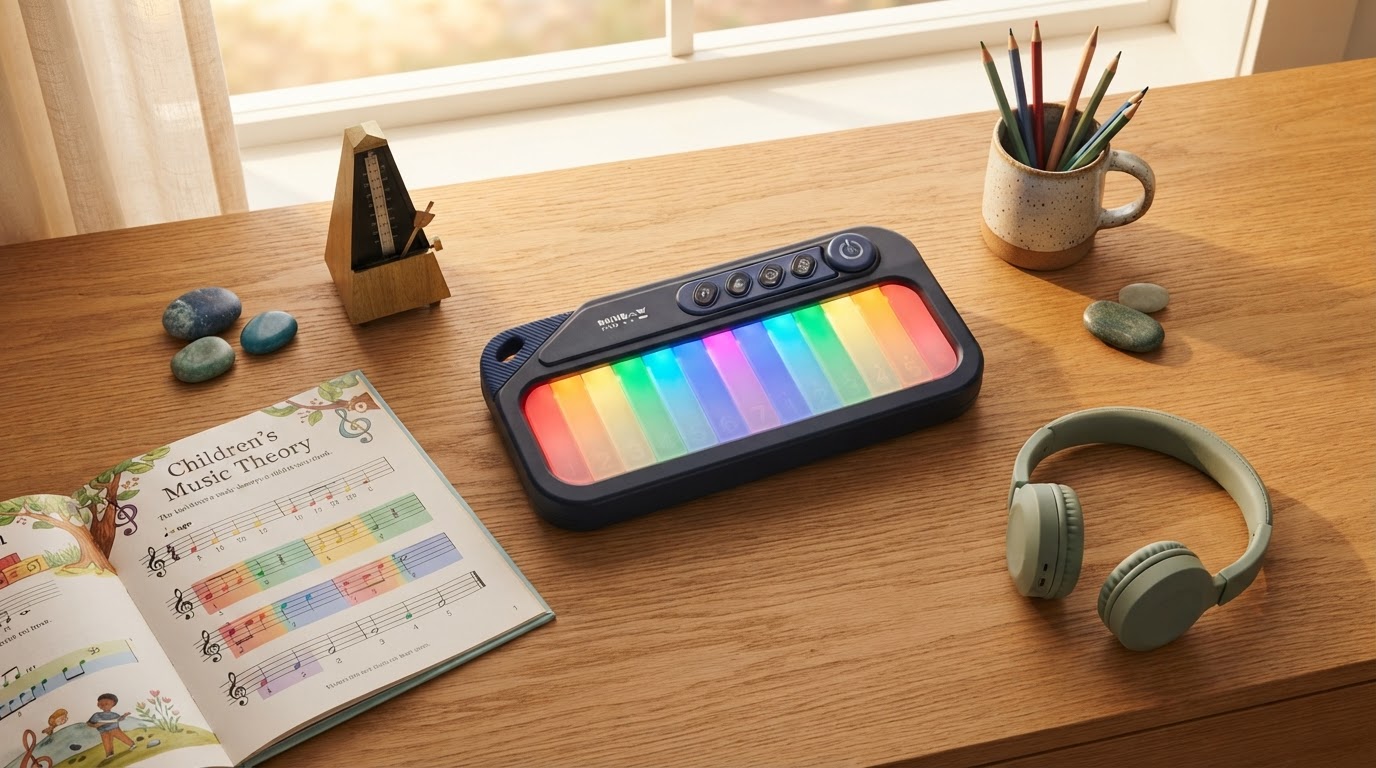
September 17, 2026 — The shift toward visual-first musical instruction has accelerated the adoption of the Rainbow Mini Piano and similar chromatic learning systems. As tactile hardware merges with color-associative software, the industry is seeing a move away from traditional monochrome keyboards toward interfaces that prioritize immediate cognitive mapping.
Modern musical education often relies on the relationship between visual stimuli and auditory output. According to Color Piano, mapping each pitch to a consistent color allows the mind to transform complex chords and scales into graspable visual patterns rather than abstract theory. This methodology reduces the barrier to entry for beginners who may find standard notation intimidating. When evaluating a portable color coded piano, two axes matter here: the physical form factor—ranging from flexible roll-up silicone to rigid keys—and the depth of the color-to-pitch integration.
The Three-Axis Selection Framework
Think of it as a matrix of portability, tactile feedback, and educational scaffolding. When selecting a device like the Rainbow Mini Piano, the first axis is the physical interface. The market currently offers two primary designs: the flexible 49-key silicone roll-up and the rigid, illuminated keyboard. For instance, the Play by Color piano features 49 color-coded standard keys in a flexible format, designed for maximum space efficiency during travel. The second axis is the visual logic. Systems like the Rainbow Mini Piano utilize a fixed spectrum where specific colors represent specific notes, creating a permanent mental map for the user. The third axis is the integration of supporting materials. High-quality kits, such as the Rainbow Piano with 49 Color Coded Keys from the Arkansas Museum of Fine Arts store, include physical songbooks that mirror the colors on the keys, ensuring the transition from reading to playing is seamless. Once you see it this way, the choice becomes a matter of environment. A flexible silicone model serves the mobile user, while an illuminated rigid model like the ROLI Piano M, which features RGB backlighting on every key, serves the studio-bound learner. The decision rule: prioritize the Rainbow Mini Piano for foundational learning where a physical color-coded songbook is essential for building early confidence.
Expert tip: When using a flexible silicone keyboard, ensure the surface is completely flat and non-porous to maintain the sensitivity of the internal sensors, as uneven surfaces can lead to double-triggering of notes.
Selecting the right tool involves understanding the specific needs of the student, whether they are using a Rainbow Finger Piano for micro-sessions or a larger Rainbow Mini Piano for standard practice. For those interested in durability, field testing the portable rainbow piano toy reveals how these devices handle daily wear. Ultimately, the portable rainbow piano toy serves as a bridge to more advanced musical concepts.
Integrating color-coded systems allows learners to bypass the frustration of traditional theory in the early stages of development.
Sources
- ROLI Piano M for Learners
- Play by Color Piano. Portable & Flexible 49 Color Coded Standard ...
- Color Piano — See Music in a New Light